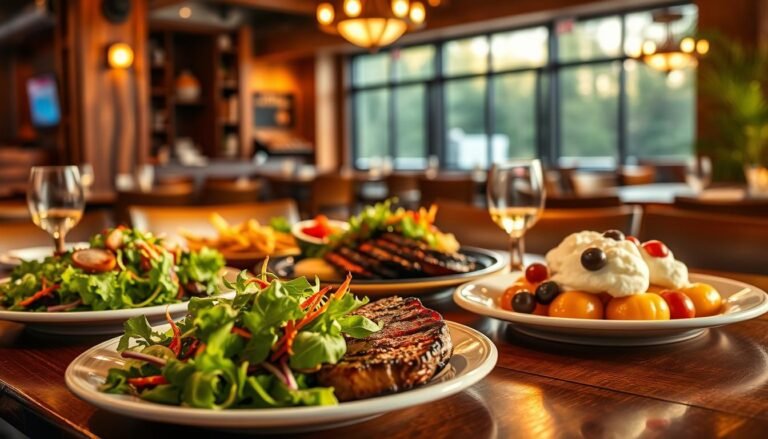
Outback Steakhouse Bread: Recreate the Iconic Appetizer
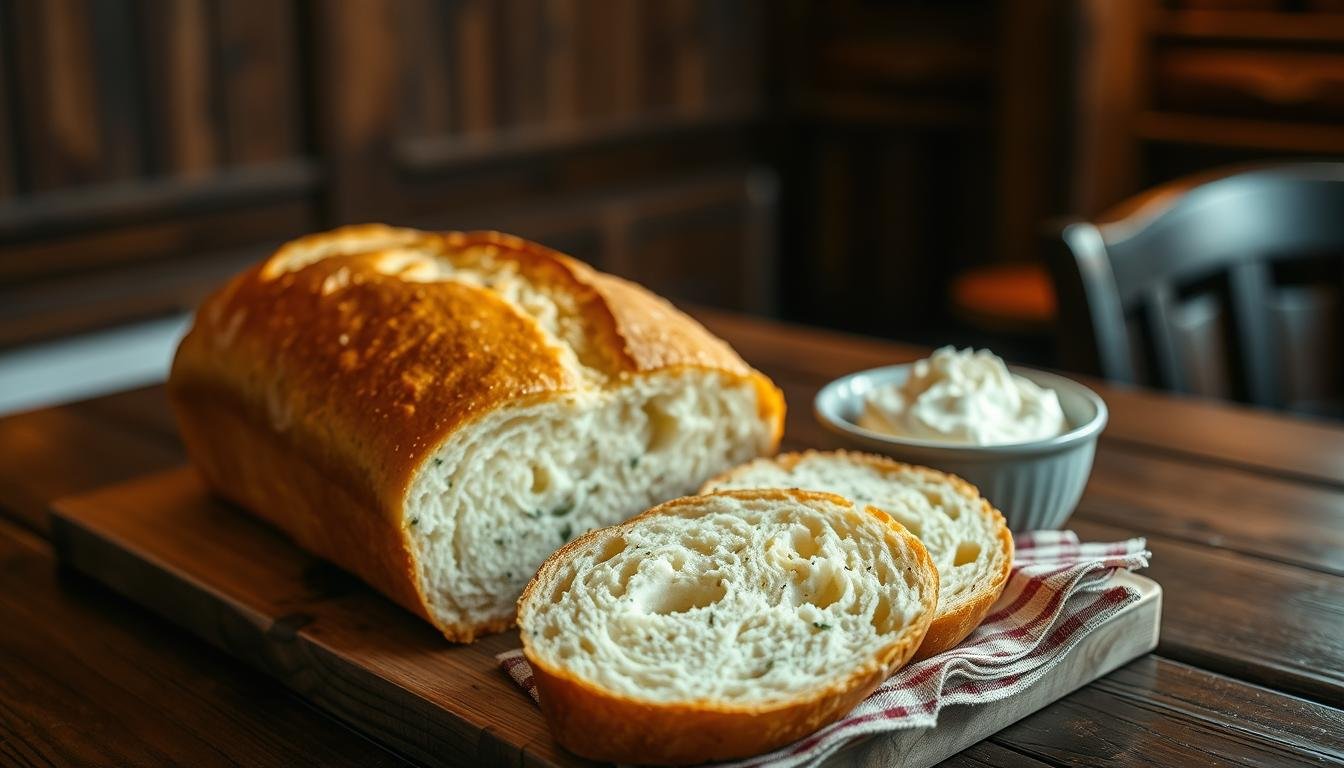
Outback Steakhouse is famous for its warm, slightly sweet brown bread. It’s served before meals. Many people want to make this soft, honeyed loaf or rolls at home.
With rising dining costs, baking steakhouse-style dishes at home is becoming popular. TikTok and Lemon8 show how easy it is. Creators make the bread into rolls and pair it with honey butter and dips.
This article will help you make Outback bread at home. You’ll learn about ingredients, variations, sauces, nutrition, storage, and how to fix common issues. This way, you’ll get perfect Outback bread every time.
Why Outback Steakhouse Bread Is a Beloved Appetizer
The warm, slightly sweet loaf at Outback Steakhouse is a hit. Its soft inside and light crust are perfect for dipping. People love the way it contrasts with the tender crumb and the crust that holds honey butter.
The bread’s flavor is a mix of mild sweetness and a hint of brown sugar and honey. This sweetness complements savory dishes, making it a great match for creamy or tangy sauces. Its soft texture is what makes it so appealing.
Outback guests see the bread as a budget-friendly treat. It goes well with steaks, salads, and soups. It not only adds flavor but also warms the table, getting everyone ready for the main course.
On social media, the bread’s popularity has grown. Videos and photos show how it soaks up honey butter. People love to try making it at home, sharing their experiences online.
| Item Name | Description | Calories | Price |
|---|---|---|---|
| Classic Honey Butter Loaf | Soft, slightly sweet loaf served with whipped honey butter | 220 per roll | $3.99 |
| Individual Dinner Roll | Single-serve roll with light crust and tender center | 180 per roll | $1.25 |
| Family-Style Loaf | Large loaf for sharing, best with extra butter | 1100 per loaf | $8.50 |
| Honey Wheat Twist | Wheat-forward variation with honey notes | 200 per roll | $2.50 |
| Buttery Pull-Apart Buns | Small buns brushed with butter for a golden top | 160 per bun | $1.75 |
| Mini Loaf Sampler | Assorted small loaves to taste different textures | 300 total | $5.99 |
| Garlic-Honey Roll | Light garlic brush with a touch of honey glaze | 210 per roll | $2.25 |
| Whole-Grain Honey Roll | Heartier texture with subtle molasses and honey | 195 per roll | $2.75 |
| Butter-Glazed Bun | Shiny top from a warm butter glaze, soft inside | 170 per bun | $1.95 |
| Shareable Pull-Apart Loaf | Designed for groups, best with several dips | 950 per loaf | $7.50 |
Pairings and condiments enhance the bread’s appeal. Honey butter brings out its sweetness. Savory dips add depth, making the bread a favorite among diners and food enthusiasts.
Key Outback Steakhouse Bread Ingredients to Replicate the Taste
The signature bread from Outback starts with a handful of pantry staples and a few purposeful choices. This short guide breaks down the dry components, wet binders, and flavor boosters you need to match texture, color, and that honeyed finish you expect from an Outback bread copycat recipe.
Begin with the dry mix. Most outback steakhouse bread ingredients lists call for all-purpose flour as a base. Bakers often blend in bread flour for extra chew and sometimes add a small portion of whole wheat to introduce nutty depth without heavy density.
Sweeteners and leaveners shape both taste and rise. Brown sugar contributes color and a caramel note that mimics the restaurant loaf. Active dry yeast or instant yeast provide reliable lift for soft, airy crumb. A pinch of salt keeps the sweetness balanced.
Next, the wet ingredients and binders. Milk and butter are central to the soft mouthfeel associated with the restaurant style. Milk adds tenderness and a subtle richness. Butter layers flavor and gives a glossy crumb.
Eggs may be used to help structure the dough and enrich texture. A touch of honey in the dough echoes Outback’s honeyed profile. Many outback bread recipe ingredients lists include honey for aroma and a gentle sweetness that browns well in the oven.
Flavor boosters create the final signature notes. Extra brown sugar or a small splash of light molasses deepens the brown color and adds the faint toasted sweetness diners recognize. A light egg wash or powdered glaze can intensify crust color without altering internal softness.
| Item Name | Description | Calories | Price |
|---|---|---|---|
| All-Purpose Flour | Primary base for structure; can be mixed with bread flour | 455 per cup | $0.40 per cup |
| Bread Flour | Higher protein for chew and better gluten development | 455 per cup | $0.60 per cup |
| Brown Sugar | Adds caramel notes, color, and moisture | 111 per tbsp | $0.05 per tbsp |
| Active Dry Yeast | Leavening agent for rise and airy crumb | ~21 per tsp | $0.10 per tsp |
| Whole Milk | Enriches dough for soft crumb and flavor | 149 per cup | $0.30 per cup |
| Unsalted Butter | Fat source that improves mouthfeel and taste | 102 per tbsp | $0.20 per tbsp |
| Eggs | Binders that add structure and shine | 72 per large egg | $0.25 each |
| Honey | Signature sweet note; browns well in oven | 64 per tbsp | $0.20 per tbsp |
| Light Molasses | Optional depth for darker caramel flavor | 58 per tbsp | $0.12 per tbsp |
| Salt | Balances sweetness and strengthens gluten | 0 per tsp | $0.01 per tsp |
| Items | Vegan | Keto-Friendly | Gluten-Free | Allergens (Nuts, Dairy, etc.) |
|---|---|---|---|---|
| All-Purpose Flour | No | No | No | Contains gluten |
| Bread Flour | No | No | No | Contains gluten |
| Brown Sugar | Yes | No | Yes (if used with GF flour) | None |
| Active Dry Yeast | Yes | No | Yes (with GF base) | None |
| Milk | No | No | Yes (if plant milk used) | Dairy |
| Butter | No | No | Yes (if vegan spread used) | Dairy |
| Eggs | No | No | Yes (if egg replacer used) | Eggs |
| Honey | No | No | Yes | None |
| Light Molasses | Yes | No | Yes | None |
| Salt | Yes | Yes | Yes | None |
For a faithful outback bread copycat recipe, balance flour choice with the right sugars and a touch of honey. Use butter and milk to achieve tenderness. Add a hint of molasses or extra brown sugar when you need deeper color. These outback bread recipe ingredients work together to reproduce the aroma, soft crumb, and warm sweetness diners expect.
Outback Steakhouse Bread: authentic vs. copycat differences
The warm pull-apart rolls at Outback are simple yet hard to replicate at home. Restaurants use special ovens and control humidity to get a uniform crumb and glossy top. Home bakers can achieve similar results with the right techniques.
What restaurants do differently (equipment, baking temps)
Commercial ovens provide even heat and humidity, ensuring consistent crusts. They also have steam systems for moist interiors and even browning. Chefs use proofing cabinets for precise rise times.
At home, oven hotspots and dry air can affect results. To get closer, try using a pan of hot water in the oven or spraying water before baking. A baking stone helps even out heat. Start with high temperatures then lower them to finish for the right shell and softness.
How to match texture at home
Texture comes from enriched dough with milk, butter, and sometimes eggs. These ingredients tenderize the crumb and add flavor. Use a warm, draft-free spot and follow a predictable proofing schedule for a soft, even crumb.
Shaping is key. Rolls have a tighter crumb and more crust edge. Loaves are lighter and more open. For a restaurant-like texture, shape into rolls and let them proof briefly before baking.
Adjusting sweetness and crust color for authenticity
Sugar levels affect taste and color. Brown sugar and molasses deepen flavor and promote browning. To achieve the outback crust color, mix white and brown sugar and brush rolls with melted butter or egg wash before baking.
High oven heat helps with caramelization, but cover with foil to avoid over-browning. Adjusting sugar and bake time can help you achieve the outback look and taste without burnt edges.
| Item Name | Description | Calories | Price |
|---|---|---|---|
| Classic Pull-Apart Roll | Enriched wheat roll with honey-brown sugar and butter finish | 220 | $0.90 (homemade est.) |
| Honey-Wheat Loaf | Soft loaf with honey and light molasses notes; slightly denser crumb | 180 (per slice) | $2.40 (homemade est.) |
| Single Serve Roll (buttered) | Individual roll brushed with melted butter for glossy finish | 230 | $1.00 (homemade est.) |
| Egg-Washed Dinner Roll | Egg wash gives deep brown color and subtle sheen | 210 | $0.95 (homemade est.) |
| Brown Sugar Enriched Roll | Higher sugar ratio for sweeter profile and darker crust | 240 | $1.05 (homemade est.) |
Step-by-step Outback bread recipe for home bakers (copycat approach)
Start by mixing warm milk and yeast for a soft, sweet bread. Finish with a glossy, buttery crust. You can make one loaf or rolls for a copycat recipe.
Preparing the dough and mixing tips
Warm milk to 105–110°F. Add yeast and sugar, then wait five to ten minutes for it to foam. Mix in melted butter, brown sugar, an egg, and a bit of honey.
Add bread flour and a bit of all-purpose flour. Knead for 8–10 minutes until smooth. The dough should be tacky but not sticky. Add flour if wet, or milk if too dry.
| Item Name | Description | Calories | Price |
|---|---|---|---|
| Milk-Yeast Starter | Warmed milk with active yeast and sugar | 40 | $0.20 |
| Enriched Dough | Flour, brown sugar, butter, egg, honey | 220 | $0.75 |
| Individual Rolls | Shaped small balls for faster baking | 160 | $0.30 |
| Classic Loaf | Single loaf for traditional presentation | 180 | $1.25 |
| Butter Finish | Melted butter brushed after baking | 45 | $0.10 |
| Egg Wash | Optional for deeper brown crust | 20 | $0.05 |
| Brown Sugar Boost | Add extra for richer color and flavor | 30 | $0.08 |
| Honey Note | Small honey addition for signature sweetness | 25 | $0.06 |
| Final Internal Temp | Target 190–200°F for fully baked crumb | N/A | N/A |
| Bake Range | 350–375°F depending on size | N/A | N/A |
Proofing, shaping into rolls or loaves, and timing
After kneading, place dough in a lightly oiled bowl and cover. Let it rise until doubled, about 60–90 minutes at room temperature. Warmer kitchens shorten proof time. Cooler kitchens lengthen it.
For rolls, divide dough into equal pieces, shape into tight balls, and place them close in a baking pan for soft sides. For a loaf, shape into a tight cylinder and place in a greased loaf pan. Let shaped dough rise a second time for 30–45 minutes until puffy.
Baking temperatures and finishing techniques for the signature brown crust
Preheat oven between 350–375°F. Smaller rolls bake closer to 350°F for about 15–20 minutes. A full loaf needs 25–35 minutes at 375°F. Check doneness by internal temperature near the center: 190–200°F.
Brush hot bread with melted butter right out of the oven for a soft, shiny crust. For a deeper brown, use an egg wash before baking or add a touch more brown sugar to the dough. If the crust darkens too fast, tent with foil for the remainder of the bake. Let bread cool slightly before slicing to preserve crumb structure and moisture.
Following these steps gives you a reliable outback steakhouse bread roll recipe or a full loaf that closely mirrors the restaurant original. Adjust sweeteners and baking times to match your oven and taste, and use this outback bread copycat recipe as a dependable baseline for future tweaks.
Outback bread copycat recipe variations to try
Home bakers can make several tasty versions of the classic Outback loaf. Choose a single loaf for the table or individual rolls for portion control. Each version keeps the buttery-sweet taste while allowing you to adjust texture and sweetness.
Classic loaf vs. individual rolls
The classic loaf is perfect for sandwiches with its iconic presentation. It needs a longer second rise and a lower bake temperature to stay soft.
Individual rolls, on the other hand, brown faster and taste like the restaurant’s dinner rolls. Shape the dough into 12–16 rolls for quicker proofing. Brush with melted butter before and after baking for a shiny crust.
Honey wheat and whole-grain twists
To make a honey wheat bread, replace 20–35% of all-purpose flour with whole-wheat flour. Add 1–2 tablespoons of honey for flavor and reduce sugar by a tablespoon. This mix adds nuttiness without losing tenderness.
Use warm milk and an extra tablespoon of butter for gluten development with whole grains. If the crumb feels dense, add one or two tablespoons of water in the next batch.
Gluten-free and reduced-sugar options
Gluten-free outback bread requires a special flour mix. Use rice flour, tapioca starch, and a binding agent like xanthan gum or psyllium husk. Commercial gluten-free bread mixes from brands like Bob’s Red Mill work best. Expect a firmer slice and different crumb.
For reduced-sugar versions, swap some brown sugar for a sugar substitute or cut sugar by 25%. Reduce yeast slightly or let it rise longer for less sugar. Watch the crust color as less sugar can make it paler.
| Item Name | Description | Calories | Price |
|---|---|---|---|
| Classic Outback-style Loaf | Soft, slightly sweet white loaf with buttery glaze | 220 per slice | $2.50 per loaf (homemade cost) |
| Dinner Rolls | Individual golden rolls with shiny buttery top | 140 each | $1.20 per dozen |
| Honey Wheat Loaf | Blend of whole-wheat and white flour, honey-sweet | 200 per slice | $2.80 per loaf |
| Whole-Grain Dinner Rolls | Hearty rolls with nutty flavor and tender interior | 150 each | $1.50 per dozen |
| Gluten-Free Loaf | Rice and tapioca blend with xanthan or psyllium | 210 per slice | $4.00 per loaf |
| Reduced-Sugar Roll | Lower-sugar version with adjusted yeast timing | 120 each | $1.40 per dozen |
| Enriched Milk Loaf | Extra butter and milk for richer flavor and soft crumb | 230 per slice | $3.00 per loaf |
| Seeded Honey Wheat | Honey-wheat base with sesame or sunflower seeds | 210 per slice | $3.20 per loaf |
| Pillowy Parker House Rolls | Folded technique for layered, buttery interior | 160 each | $1.80 per dozen |
| Quick No-Knead Loaf | Long fermentation, minimal hands-on mixing | 205 per slice | $2.10 per loaf |
| Items | Vegan | Keto-Friendly | Gluten-Free | Allergens (Nuts, Dairy, etc.) |
|---|---|---|---|---|
| Classic Outback-style Loaf | No | No | No | Dairy, Eggs, Wheat |
| Dinner Rolls | No | No | No | Dairy, Eggs, Wheat |
| Honey Wheat Loaf | No | No | No | Wheat, Honey |
| Whole-Grain Dinner Rolls | No | No | No | Wheat |
| Gluten-Free Loaf | Possible | Possible (adapted) | Yes | Eggs (if used), Corn |
| Reduced-Sugar Roll | No | Possible (adapted) | Possible (adapted) | Wheat, Dairy |
| Enriched Milk Loaf | No | No | No | Dairy, Eggs, Wheat |
| Seeded Honey Wheat | No | No | No | Wheat, Seeds (possible cross-contact with nuts) |
| Pillowy Parker House Rolls | No | No | No | Dairy, Eggs, Wheat |
| Quick No-Knead Loaf | Possible (adapted) | No | Possible (adapted) | Wheat, Dairy (if added) |
- Test small batches when altering flour ratios to keep crumb light.
- When trying a honey wheat bread recipe, balance hydration and sweetness for the best rise.
- For gluten-free outback bread, use psyllium or xanthan to mimic elasticity and expect a different crumb.
- Reduce sugar slowly; track proof times to prevent under- or over-proofing.
- Use an instant-read thermometer to hit the ideal internal temperature: about 190–200°F for enriched loaves.
Outback bread dipping sauce and honey butter accompaniments
Warm brown rolls are perfect for a simple spread and a bold dip. These recipes are favorites among home cooks and Outback Steakhouse fans. They’re quick to make and let the flavors stand out.
Copycat dipping sauce ideas
Start with a creamy base of mayonnaise and sour cream. Add ketchup for color and a touch of acidity. Mix in prepared horseradish, smoked paprika, garlic powder, dried oregano, black pepper, and a pinch of cayenne. Chill at least 30 minutes to let flavors meld.
This version works as an outback bloomin onion sauce copycat and pairs well as an outback bread dipping sauce when you want a tangy, slightly spicy complement to sweet rolls.
How to make the signature sweet honey butter
For the classic spread, beat softened unsalted butter until light. Fold in honey and a pinch of fine salt. Adjust honey for sweetness and chill briefly so it firms but stays spreadable.
This outback bread honey butter highlights the brown bread’s caramel notes. Use a good clover or wildflower honey for depth.
Pairing suggestions from the Outback menu
Match flavors by contrast. Sweet honey butter soothes the crust and crumb. The bloomin’ onion-style dip brings spice and tang.
Try the outback bread dipping sauce with seeded rolls or honey-wheat versions. Serve outback bloomin onion sauce copycat alongside blue cheese vinaigrette for variety. Offer small ramekins so guests mix and match.
| Item Name | Description | Calories | Price |
|---|---|---|---|
| Honey Butter (2 tbsp) | Soft butter whipped with clover honey and salt | 200 | $0.40 |
| Bloomin’ Onion-Style Dip (2 tbsp) | Mayo-sour cream base with horseradish and paprika | 150 | $0.35 |
| Honey Mustard | Honey, mustard, mayo for bright sweetness | 110 | $0.30 |
| Blue Cheese Vinaigrette | Crumbled blue cheese with tangy vinaigrette notes | 90 | $0.45 |
| Garlic Herb Butter | Butter blended with roasted garlic and parsley | 210 | $0.42 |
| Chipotle Aioli | Smoky chipotle blended into a creamy mayo base | 160 | $0.38 |
| Maple Honey Butter | Butter mixed with maple syrup and honey for depth | 220 | $0.50 |
| Herbed Yogurt Dip | Greek yogurt with dill, lemon, and chives | 70 | $0.34 |
| Classic Ranch | Creamy ranch with garlic and onion notes | 120 | $0.33 |
| Spicy Sriracha Mayo | Mayo blended with sriracha for a hot kick | 140 | $0.36 |
| Items | Vegan | Keto-Friendly | Gluten-Free | Allergens (Nuts, Dairy, etc.) |
|---|---|---|---|---|
| Honey Butter | No | No | Yes (if served with GF bread) | Dairy |
| Bloomin’ Onion-Style Dip | No | No | Yes | Dairy, Eggs |
| Honey Mustard | No | Yes | Yes | None typical |
| Blue Cheese Vinaigrette | No | No | Yes | Dairy |
| Garlic Herb Butter | No | No | Yes | Dairy |
| Chipotle Aioli | No | No | Yes | Eggs |
| Maple Honey Butter | No | No | Yes | Dairy |
| Herbed Yogurt Dip | No | No | Yes | Dairy |
| Classic Ranch | No | No | Yes | Dairy, Eggs |
| Spicy Sriracha Mayo | No | No | Yes | Eggs |
- Mix dips a day ahead to save time and improve flavor.
- Serve honey butter room temperature for easy spreading.
- Label bowls so guests can identify spicy or dairy-rich options.
Bread storage, reheating, and freezing tips for best results
To keep Outback-style rolls soft and tasty, pick the right storage method. For short-term, store them in a way that keeps moisture and crumb. For longer storage, choose a method that prevents staling and keeps the taste.
How to store to keep softness and moisture
For same-day enjoyment, let rolls cool fully. Then, place them in an airtight container or wrap tightly in plastic. Room temperature storage is best for up to two days. Refrigeration can slow spoilage but often dries bread. Freezing outback bread is a good option for longer shelf life.
Reheating methods to restore warm, bakery-fresh texture
To reheat rolls, warm an oven to 300–325°F. Wrap rolls loosely in foil and heat for 8–12 minutes. Open the foil and brush with melted butter for a glossy finish. For a single slice or roll, microwave 10–20 seconds on medium power. But expect a softer crust and risk of toughness if overdone.
Freezing and thawing without losing flavor
Cool bread completely before freezing. Place whole rolls or sliced loaf pieces into airtight freezer bags, press out excess air, and label with the date. Freeze up to three months for best quality. Thaw in the packaging at room temperature to keep condensation off the crust. Finish with a short oven refresh to restore texture after you freeze outback bread.
| Item Name | Description | Calories | Price |
|---|---|---|---|
| Classic Outback-Style Roll | Soft white roll with honey-butter glaze | 190 per roll | $0.85 (homemade est.) |
| Honey Wheat Roll | Whole-wheat blend with honey notes | 200 per roll | $0.95 (homemade est.) |
| Individual Dinner Loaf | Smaller loaf portion for sharing | 760 per loaf | $3.50 (homemade est.) |
| Sliced Loaf (standard) | Pre-sliced for convenience and toasts well | 85 per slice | $2.75 (homemade est.) |
| Gluten-Reduced Roll | Modified flour blend with similar crumb | 180 per roll | $1.10 (homemade est.) |
| Honey Butter Topping | Sweet butter blend for brushing or serving | 90 per tbsp | $0.15 per tbsp |
| Garlic Butter Variant | Herbed butter with roasted garlic | 95 per tbsp | $0.18 per tbsp |
| Freeze-Ready Pack | Individually wrapped rolls for freezing | Varies | $0.95 per roll (packaging incl.) |
| Quick Reheat Pack | Portions prepped for fast oven refresh | Varies | $1.20 per serving |
| Share Loaf (family) | Larger loaf for family meals | 1200 per loaf | $5.50 (homemade est.) |
Use airtight seals and single-portion wraps to avoid repeated freeze-thaw cycles. When reheating outback bread after thawing, a brief oven refresh gives the best return to that signature softness and shine.
Outback Steakhouse bread nutrition and calories
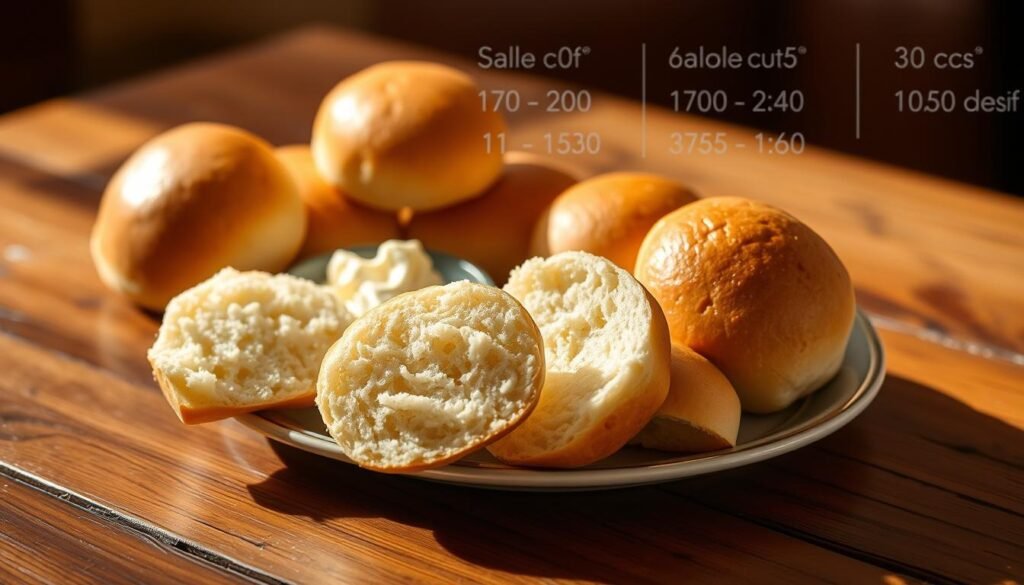
Let’s take a closer look at the nutrition facts for Outback Steakhouse’s brown bread. We’ll also share tips for making it at home. The numbers vary based on the size of the roll and if you add honey butter. Below are common recipes and serving sizes to help you understand portions and make swaps.
Nutritional estimates
| Item Name | Description | Calories | Price |
|---|---|---|---|
| Individual Roll (standard) | Single brown bread roll served warm with honey butter | 200 | $0.80 |
| Individual Roll (large) | Larger roll with extra butter or honey | 240 | $1.10 |
| Half Loaf | Four to six servings, bakery-style slice | 900 | $4.50 |
| Whole Loaf | Family-style loaf, includes honey and butter | 1800 | $8.00 |
| Roll without butter | Plain roll, no honey butter served | 160 | $0.70 |
| Honey Butter (serving) | Portion used per roll | 40 | $0.25 |
Macronutrient snapshot
| Items | Vegan | Keto-Friendly | Gluten-Free | Allergens (Nuts, Dairy, etc.) |
|---|---|---|---|---|
| Individual Roll (standard) | No | No | No | Dairy, Wheat |
| Roll without butter | No | No | No | Wheat |
| Honey Butter (serving) | No | No | Yes (if paired with GF roll) | Dairy |
| Whole Loaf | No | No | No | Dairy, Wheat |
| Gluten-Free version | Depends on recipe | Possible with adjustments | Yes | May include dairy or eggs |
| Reduced-sugar roll | No | Not keto | No | Wheat, Dairy (if used) |
| Whole-grain roll | No | No | No | Wheat, Dairy |
| Keto-style substitute | Depends | Yes | Depends | Almonds, Eggs, Dairy |
| Honey-sweetened roll | No | No | No | Wheat, Dairy |
| Reduced-butter roll | No | No | No | Wheat |
The classic roll is high in carbs. A 200-calorie roll has about 30–35 g of carbs, 7–10 g of fat, and 3–5 g of protein. Adding butter or honey changes these numbers. Knowing the calories in Outback bread helps you plan your meal.
Outback bread calories per roll range from 180 to 240. The size and toppings affect this. A plain roll is lower in calories. Honey butter and extra glaze increase it.
Practical calorie-saving tips
- Use a thin spread of light butter or a smaller dollop of honey butter to cut 20–40 calories per roll.
- Reduce brown sugar in the dough or swap half the sugar for a lower-calorie sweetener to trim calories without losing sweetness.
- Bake smaller rolls to lower outback bread calories per roll while keeping the same flavor.
- Replace half the butter with a neutral oil or lower-fat milk to reduce saturated fat and total calories.
- Try a gluten-free or almond-flour version to change macronutrients, noting the texture will differ from the original.
Understanding Outback bread nutrition gives you control. Small swaps preserve taste and cut calories. Use the estimates above to make choices that match your meal plan and taste preferences.
Ingredient sourcing and substitutions for accurate flavor
To make the Outback Steakhouse roll, start by finding the right ingredients. You can find common items like flour, brown sugar, and yeast at Kroger, Safeway, or Walmart. For specialty items, like light molasses, check Whole Foods, King Arthur Baking Company, or online stores. Knowing where to buy your ingredients saves time and keeps your pantry ready.
Here’s a quick guide for swapping ingredients when you can’t find the exact one. Use buttermilk instead of whole milk for a tangy rise. For dairy-free options, plant-based butter or margarine works well. Brown sugar or light molasses adds sweetness and color to your crust.
| Item Name | Description | Calories | Price |
|---|---|---|---|
| All-Purpose Flour (5 lb) | Soft crumb, widely available | 455 per cup | $3.50 |
| Bread Flour (5 lb) | Higher protein for chew and structure | 500 per cup | $6.00 |
| Brown Sugar (2 lb) | Adds moisture and caramel notes | 418 per cup | $2.40 |
| Honey (12 oz) | Sweetness and glossy crust | 103 per tbsp | $4.00 |
| Light Molasses (12 oz) | Deepens flavor, optional | 58 per tbsp | $3.50 |
| Unsalted Butter (1 lb) | Richness and soft crumb | 102 per tbsp | $4.50 |
| Active Dry Yeast (4 oz) | Reliable rise for rolls | 21 per tsp | $3.00 |
| Buttermilk (quart) | Acidity improves tenderness | 99 per cup | $2.50 |
| Plant-Based Butter (1 lb) | Dairy-free alternative | 100 per tbsp | $5.00 |
| Prepared Horseradish (8 oz) | For dipping sauces | 15 per tsp | $3.00 |
For easy baking, try outback bread substitutions that keep the texture and taste right. Mix in 25–30% bread flour with all-purpose flour for chew. Use brown sugar or light molasses for a deeper crust color. For dairy-free, mix unsweetened soy or oat milk with vinegar to mimic buttermilk.
| Items | Vegan | Keto-Friendly | Gluten-Free | Allergens (Nuts, Dairy, etc.) |
|---|---|---|---|---|
| All-Purpose Flour | No | No | No | Wheat |
| Bread Flour | No | No | No | Wheat |
| Brown Sugar | Yes | No | Yes | None |
| Honey | No (strict) | No | Yes | None |
| Butter | No | No | Yes | Dairy |
| Plant-Based Butter | Yes | No | Yes | May contain soy |
| Buttermilk | No | No | No | Dairy |
| Prepared Horseradish | Yes | Yes | Yes | May contain mustard |
| Yeast | Yes | No | Yes | None |
| Molasses | Yes | No | Yes | None |
When shopping online, look for stores that specialize in baking. King Arthur and Bob’s Red Mill have specialty flours and detailed product information. Amazon and Target offer convenience mixes and bulk items for bigger batches. Ask your local Whole Foods about high-gluten or artisan bread flours for that chewy texture.
Choosing the right sweeteners and flours affects the final color and mouthfeel. Use dark or light brown sugar for richer caramel notes. Bread flour gives a chewier crumb, while all-purpose flour makes softer rolls. Keep your substitutions simple and test one change at a time to preserve the balance of sweetness and texture you want.
Cost comparison: homemade Outback bread vs. restaurant price
Making Outback-style bread at home changes how you see value. A dozen rolls made with pantry staples like flour, yeast, and butter costs $6–$12. This makes each roll about $0.50–$1.00 when baked at home.
Time and tools are key when comparing homemade to restaurant bread. Making bread takes about 2–3 hours. You need basic equipment like an oven and mixing bowl. A stand mixer can speed things up but costs more upfront.
| Item Name | Description | Calories | Price |
|---|---|---|---|
| Classic roll (1) | Soft, slightly sweet dinner roll | 120 | $0.50–$1.00 |
| Dozen rolls | Batch made at home with honey butter | 1440 | $6–$12 |
| Restaurant complimentary | Outback Steakhouse style served with honey butter | 120 each | Factored into meal price |
| Honey butter (homemade) | Butter whipped with honey and salt | 100 per tbsp | $0.10–$0.25 per serving |
| Stand mixer amortized | Cost per batch over 5 years | n/a | $0.30–$0.60 |
Comparing homemade to restaurant bread shows savings in making more. Buying flour and butter in bulk lowers costs. Making your own honey butter adds little expense but makes meals feel more special.
Looking at homemade vs restaurant bread also considers non-monetary benefits. Baking at home means controlling ingredients and portions. For regular bakers, the cost of equipment is soon forgotten after many batches.
| Items | Vegan | Keto-Friendly | Gluten-Free | Allergens (Nuts, Dairy, etc.) |
|---|---|---|---|---|
| Classic roll | No | No | No | Dairy, Gluten |
| Honey butter | No | No | No | Dairy |
| Gluten-free roll | Possible | No | Yes | May contain dairy |
| Vegan roll | Yes | No | Possible | May contain soy |
| Whole-grain roll | Possible | No | No | Gluten, Dairy |
| Reduced-sugar roll | Possible | Possible | No | Gluten, Dairy |
| Butter substitute | Yes | Possible | Possible | May contain soy |
| Milk alternative | Yes | Possible | Yes | May contain nuts |
| Egg replacer | Yes | Possible | Yes | Varies |
| Bulk batch | Varies | Varies | Varies | Varies |
Practical tips help stretch your steakhouse budget. Bake in bulk to cut costs. Use store brands like King Arthur flour or Gold Medal. Make honey butter from unsalted butter and local honey for a big payoff.
When comparing homemade to restaurant bread, home baking wins for frequent use. The cost comparison shifts further when including the value of homemade sauces and sides.
- Buy staples in bulk to lower per-batch cost.
- Plan one baking session for multiple menu items to maximize value.
- Factor equipment amortization into long-term cost, not single-batch pricing.
Use this guidance to decide if baking fits your routine and budget. The homemade vs restaurant bread cost question often comes down to how much you value time, convenience, and control over ingredients.
Baking troubleshooting: common problems and fixes
When your baking goes wrong, knowing how to fix it is key. This guide helps you tackle common issues with outback bread. You’ll learn how to fix sticky or dry dough, an underbaked center, and an overly browned crust. Plus, you’ll find ways to balance flavors so your bread tastes like it’s from a restaurant.
Dough too sticky: Sticky dough usually means too much liquid or not enough gluten. Add flour slowly while kneading until the dough pulls cleanly from the bowl. Knead the dough for 5–10 more minutes in a stand mixer with a dough hook. Resting the dough under a damp towel for 10 minutes can help it become less sticky without adding too much flour.
Dough too dry: Dry dough is often caused by too much flour, overproofing, or low-hydration. Add warm milk or water a little at a time and knead until it feels right. For lean doughs, a short autolyse (mixing flour and water, resting 20 minutes) helps gluten form and reduces the need for extra liquids later.
Underbaked center: Large loaves can bake unevenly. Use an instant-read thermometer to check the internal temperature; aim for 190–200°F for enriched breads. If the center is underbaked but the crust is done, return the loaf to a 325°F oven and cover with foil to prevent further browning. For future bakes, use a lower temperature and longer time to ensure even crumb development.
Overly browned crust: If the crust darkens too fast, lower the oven temperature by 10–25°F and move the pan to a lower rack. Mid-bake, tenting with foil can slow browning while allowing the center to finish. Brushing the loaf with melted butter right after baking can also soften the crust and improve flavor.
Too sweet: If your bread is too sweet, reduce the brown sugar or honey by 10–20% next time. Swap some honey for mild molasses or cut total sweetener to preserve caramel notes without excess sweetness. Taste the dough when using removable sweeteners like honey glazes to gauge balance.
Too salty: To cut salt, reduce it by small increments, about 10% per attempt. If a finished loaf is too salty, balance with a smear of unsalted butter or a light honey glaze when serving. For future bakes, weigh the salt instead of measuring by volume to avoid variability.
Off flavors from ingredients: Freshness is key. Use active, fresh yeast, unsulphured molasses when called for, and high-quality butter for richer taste. Old flour or rancid fats can cause flat, off notes that simple adjustments cannot fix.
| Issue | Immediate Fix | Preventive Tip | When to Adjust |
|---|---|---|---|
| Sticky dough | Add flour by tablespoon, knead 5–10 min | Weigh ingredients; hydrate gradually | If dough clings to hands after kneading |
| Dry dough | Add warm milk or water teaspoonwise | Use autolyse; avoid overproofing | Dough tears when stretched thin |
| Underbaked center | Return to oven at 325°F, tent with foil | Bake larger loaves longer at lower temp | Internal temp below 190°F |
| Overbrowned crust | Lower temp 10–25°F; tent with foil | Position rack lower; monitor early bake | Crust darkens within first 10–15 minutes |
| Too sweet | Reduce sweetener 10–20% next batch | Measure sweeteners by weight | If sweetness overwhelms butter or salt |
| Too salty | Reduce salt 10% next batch; balance when serving | Weigh salt precisely; use fine salt | Salty taste dominates other flavors |
| Flat or off flavor | Replace suspect ingredient; rebake fresh batch | Store flour and butter properly; buy fresh yeast | If aroma or taste is stale or metallic |
| Dense crumb | Check proofing; give a longer final proof | Keep consistent dough temperature | Loaf feels heavy or has small holes |
| Uneven crumb | Degas gently and reshape before final proof | Use even shaping and uniform oven heat | Large air pockets on one side of loaf |
| Gummy center | Finish baking at lower temp longer; cool fully | Allow full cool time before slicing | Center is tacky after recommended bake time |
- Keep a baking log noting weights, temps, and times. This speeds outback bread troubleshooting and narrows variables for future bread baking fixes.
- When addressing outback bread texture problems, change one variable at a time. Small tweaks reveal meaningful differences.
- If problems persist, compare ingredient labels and try a different brand of flour, butter, or yeast to isolate the cause.
Conclusion
Making Outback Steakhouse bread at home is easy and won’t break the bank. Use an enriched dough, honey, and brown sugar for that sweet taste. Follow a recipe that focuses on measuring, kneading, and finishing with butter or honey butter.
Many home bakers have found success with an Outback bread copycat. They shape rolls or a loaf and serve them with dips like bloomin’ onion or honey mustard. Tips from users show that honey wheat and small rolls are the closest to the real thing for family meals and steak nights.
Getting it right takes balance and patience. Make sure to let the dough proof fully, adjust oven times for your equipment, and chill sauces to blend flavors. With the right ingredients and timing, you can make warm, sweet Outback bread at home. It will make any meal better and save money on steakhouse prices.
FAQ
What ingredients recreate Outback Steakhouse bread at home?
Can I make the bread as individual rolls instead of a loaf?
How do I get the signature brown crust and soft interior?
What’s the easiest honey butter or dipping sauce to pair with the bread?
How should I store, reheat, and freeze the rolls to keep them soft?
What are the estimated calories and nutrition for Outback-style rolls?
Can I make a gluten-free or reduced-sugar version that tastes similar?
What common problems happen and how do I fix them?
Is making Outback-style bread at home worth it cost-wise?
FAQ
What ingredients recreate Outback Steakhouse bread at home?
To make Outback bread, you need flour, warm milk, and yeast. Add brown sugar, honey, and unsalted butter. An egg and salt are optional. A bit of light molasses or extra brown sugar gives it a deeper color.
Can I make the bread as individual rolls instead of a loaf?
Yes, you can make individual rolls. This shortens the baking time. Let the dough rise until it doubles, then bake at 350–375°F until it reaches 190–200°F inside.
How do I get the signature brown crust and soft interior?
Use brown sugar and a little molasses in the dough. Brush with melted butter after baking. An egg wash before baking can deepen the color. If the crust gets too dark, cover it with foil.
What’s the easiest honey butter or dipping sauce to pair with the bread?
For honey butter, mix softened butter, honey, and a pinch of salt. For a savory-sweet dip, mix mayonnaise, sour cream, ketchup, and spices. Chill it for at least 30 minutes.
How should I store, reheat, and freeze the rolls to keep them soft?
Cool the rolls completely before storing. Keep them in an airtight container or wrapped for up to 2 days. Freeze for up to 3 months. Reheat at 300–325°F for 8–12 minutes and brush with butter.
What are the estimated calories and nutrition for Outback-style rolls?
Each roll has about 180–240 calories. They are high in carbs, with some fat from butter and milk. Protein comes from flour and egg. Cutting sugar or using light butter can lower calories.
Can I make a gluten-free or reduced-sugar version that tastes similar?
Gluten-free versions use rice and tapioca flours with xanthan gum. They have a different texture. To reduce sugar, cut brown sugar by 10–20% or use sugar substitutes. Adjust yeast and baking times.
What common problems happen and how do I fix them?
Sticky dough means too much liquid. Add flour slowly and knead. Dry dough needs a little warm milk. Underbaked centers need lower heat and longer baking. Brown crusts can be covered with foil. Too sweet? Reduce sugar next time.
Is making Outback-style bread at home worth it cost-wise?
Yes, it’s cheaper. Ingredients for a dozen rolls cost –, about
FAQ
What ingredients recreate Outback Steakhouse bread at home?
To make Outback bread, you need flour, warm milk, and yeast. Add brown sugar, honey, and unsalted butter. An egg and salt are optional. A bit of light molasses or extra brown sugar gives it a deeper color.
Can I make the bread as individual rolls instead of a loaf?
Yes, you can make individual rolls. This shortens the baking time. Let the dough rise until it doubles, then bake at 350–375°F until it reaches 190–200°F inside.
How do I get the signature brown crust and soft interior?
Use brown sugar and a little molasses in the dough. Brush with melted butter after baking. An egg wash before baking can deepen the color. If the crust gets too dark, cover it with foil.
What’s the easiest honey butter or dipping sauce to pair with the bread?
For honey butter, mix softened butter, honey, and a pinch of salt. For a savory-sweet dip, mix mayonnaise, sour cream, ketchup, and spices. Chill it for at least 30 minutes.
How should I store, reheat, and freeze the rolls to keep them soft?
Cool the rolls completely before storing. Keep them in an airtight container or wrapped for up to 2 days. Freeze for up to 3 months. Reheat at 300–325°F for 8–12 minutes and brush with butter.
What are the estimated calories and nutrition for Outback-style rolls?
Each roll has about 180–240 calories. They are high in carbs, with some fat from butter and milk. Protein comes from flour and egg. Cutting sugar or using light butter can lower calories.
Can I make a gluten-free or reduced-sugar version that tastes similar?
Gluten-free versions use rice and tapioca flours with xanthan gum. They have a different texture. To reduce sugar, cut brown sugar by 10–20% or use sugar substitutes. Adjust yeast and baking times.
What common problems happen and how do I fix them?
Sticky dough means too much liquid. Add flour slowly and knead. Dry dough needs a little warm milk. Underbaked centers need lower heat and longer baking. Brown crusts can be covered with foil. Too sweet? Reduce sugar next time.
Is making Outback-style bread at home worth it cost-wise?
Yes, it’s cheaper. Ingredients for a dozen rolls cost $6–$12, about $0.50–$1.00 per roll. Making it at home saves money. It takes 2–3 hours, but making more batches lowers the cost per unit.
FAQ
What ingredients recreate Outback Steakhouse bread at home?
To make Outback bread, you need flour, warm milk, and yeast. Add brown sugar, honey, and unsalted butter. An egg and salt are optional. A bit of light molasses or extra brown sugar gives it a deeper color.
Can I make the bread as individual rolls instead of a loaf?
Yes, you can make individual rolls. This shortens the baking time. Let the dough rise until it doubles, then bake at 350–375°F until it reaches 190–200°F inside.
How do I get the signature brown crust and soft interior?
Use brown sugar and a little molasses in the dough. Brush with melted butter after baking. An egg wash before baking can deepen the color. If the crust gets too dark, cover it with foil.
What’s the easiest honey butter or dipping sauce to pair with the bread?
For honey butter, mix softened butter, honey, and a pinch of salt. For a savory-sweet dip, mix mayonnaise, sour cream, ketchup, and spices. Chill it for at least 30 minutes.
How should I store, reheat, and freeze the rolls to keep them soft?
Cool the rolls completely before storing. Keep them in an airtight container or wrapped for up to 2 days. Freeze for up to 3 months. Reheat at 300–325°F for 8–12 minutes and brush with butter.
What are the estimated calories and nutrition for Outback-style rolls?
Each roll has about 180–240 calories. They are high in carbs, with some fat from butter and milk. Protein comes from flour and egg. Cutting sugar or using light butter can lower calories.
Can I make a gluten-free or reduced-sugar version that tastes similar?
Gluten-free versions use rice and tapioca flours with xanthan gum. They have a different texture. To reduce sugar, cut brown sugar by 10–20% or use sugar substitutes. Adjust yeast and baking times.
What common problems happen and how do I fix them?
Sticky dough means too much liquid. Add flour slowly and knead. Dry dough needs a little warm milk. Underbaked centers need lower heat and longer baking. Brown crusts can be covered with foil. Too sweet? Reduce sugar next time.
Is making Outback-style bread at home worth it cost-wise?
Yes, it’s cheaper. Ingredients for a dozen rolls cost –, about
FAQ
What ingredients recreate Outback Steakhouse bread at home?
To make Outback bread, you need flour, warm milk, and yeast. Add brown sugar, honey, and unsalted butter. An egg and salt are optional. A bit of light molasses or extra brown sugar gives it a deeper color.
Can I make the bread as individual rolls instead of a loaf?
Yes, you can make individual rolls. This shortens the baking time. Let the dough rise until it doubles, then bake at 350–375°F until it reaches 190–200°F inside.
How do I get the signature brown crust and soft interior?
Use brown sugar and a little molasses in the dough. Brush with melted butter after baking. An egg wash before baking can deepen the color. If the crust gets too dark, cover it with foil.
What’s the easiest honey butter or dipping sauce to pair with the bread?
For honey butter, mix softened butter, honey, and a pinch of salt. For a savory-sweet dip, mix mayonnaise, sour cream, ketchup, and spices. Chill it for at least 30 minutes.
How should I store, reheat, and freeze the rolls to keep them soft?
Cool the rolls completely before storing. Keep them in an airtight container or wrapped for up to 2 days. Freeze for up to 3 months. Reheat at 300–325°F for 8–12 minutes and brush with butter.
What are the estimated calories and nutrition for Outback-style rolls?
Each roll has about 180–240 calories. They are high in carbs, with some fat from butter and milk. Protein comes from flour and egg. Cutting sugar or using light butter can lower calories.
Can I make a gluten-free or reduced-sugar version that tastes similar?
Gluten-free versions use rice and tapioca flours with xanthan gum. They have a different texture. To reduce sugar, cut brown sugar by 10–20% or use sugar substitutes. Adjust yeast and baking times.
What common problems happen and how do I fix them?
Sticky dough means too much liquid. Add flour slowly and knead. Dry dough needs a little warm milk. Underbaked centers need lower heat and longer baking. Brown crusts can be covered with foil. Too sweet? Reduce sugar next time.
Is making Outback-style bread at home worth it cost-wise?
Yes, it’s cheaper. Ingredients for a dozen rolls cost $6–$12, about $0.50–$1.00 per roll. Making it at home saves money. It takes 2–3 hours, but making more batches lowers the cost per unit.
.50–
FAQ
What ingredients recreate Outback Steakhouse bread at home?
To make Outback bread, you need flour, warm milk, and yeast. Add brown sugar, honey, and unsalted butter. An egg and salt are optional. A bit of light molasses or extra brown sugar gives it a deeper color.
Can I make the bread as individual rolls instead of a loaf?
Yes, you can make individual rolls. This shortens the baking time. Let the dough rise until it doubles, then bake at 350–375°F until it reaches 190–200°F inside.
How do I get the signature brown crust and soft interior?
Use brown sugar and a little molasses in the dough. Brush with melted butter after baking. An egg wash before baking can deepen the color. If the crust gets too dark, cover it with foil.
What’s the easiest honey butter or dipping sauce to pair with the bread?
For honey butter, mix softened butter, honey, and a pinch of salt. For a savory-sweet dip, mix mayonnaise, sour cream, ketchup, and spices. Chill it for at least 30 minutes.
How should I store, reheat, and freeze the rolls to keep them soft?
Cool the rolls completely before storing. Keep them in an airtight container or wrapped for up to 2 days. Freeze for up to 3 months. Reheat at 300–325°F for 8–12 minutes and brush with butter.
What are the estimated calories and nutrition for Outback-style rolls?
Each roll has about 180–240 calories. They are high in carbs, with some fat from butter and milk. Protein comes from flour and egg. Cutting sugar or using light butter can lower calories.
Can I make a gluten-free or reduced-sugar version that tastes similar?
Gluten-free versions use rice and tapioca flours with xanthan gum. They have a different texture. To reduce sugar, cut brown sugar by 10–20% or use sugar substitutes. Adjust yeast and baking times.
What common problems happen and how do I fix them?
Sticky dough means too much liquid. Add flour slowly and knead. Dry dough needs a little warm milk. Underbaked centers need lower heat and longer baking. Brown crusts can be covered with foil. Too sweet? Reduce sugar next time.
Is making Outback-style bread at home worth it cost-wise?
Yes, it’s cheaper. Ingredients for a dozen rolls cost $6–$12, about $0.50–$1.00 per roll. Making it at home saves money. It takes 2–3 hours, but making more batches lowers the cost per unit.
.00 per roll. Making it at home saves money. It takes 2–3 hours, but making more batches lowers the cost per unit.
Similar Posts
Outback Steakhouse Dinner Menu
Outback Steakhouse is a chain with an Australian theme, based in Tampa, Florida. It was founded on March 15, 1988. This guide covers the dinner menu and popular items at U.S. locations until 2025. The menu features expertly grilled steaks, seafood, chicken, pasta, and signature cocktails. It also includes appetizers, sides, desserts, kids’ items, and…
Outback Steakhouse Gluten Free Menu
Outback Steakhouse has a special gluten-friendly menu. They also offer downloadable allergen PDFs to help you plan your meals. For over 10 years, chefs and a registered dietitian have marked many dishes as gluten-friendly. This means you can enjoy steaks, grilled seafood, and hearty salads with confidence. Menu items, prices, and calorie counts can change…
Outback Steakhouse Drink Menu
This guide takes a close look at the 2025 Outback Steakhouse drink menu. It covers cocktails, wines, beers, mocktails, happy hour deals, and rules for to-go drinks. You’ll learn about signature items like the Boomerang, Piña Koala, and the Gingerbread Cookie Martini. Outback focuses on hand-crafted drinks and offers ongoing specials like $8 cocktails at…
Outback Steakhouse Menu Prices
Outback Steakhouse Menu Prices — Quick Overview Outback Steakhouse started in Tampa, Florida, on March 15, 1988. It’s now part of Bloomin’ Brands, Inc. and has over 1,000 restaurants in the U.S. and abroad. They’re known for big, tasty steaks and comfort food in a cozy setting. The main menu has steaks, chicken, ribs, seafood,…
Outback Steakhouse to Go Menu
This guide is all about the Outback Steakhouse to go menu. It’s packed with useful info for U.S. customers. You’ll learn about main categories, signature dishes, and prices. Plus, where to find nutrition facts. Outback Steakhouse is a Tampa, Florida-based restaurant. It serves steaks, seafood, chicken, pasta, and more. You can order party platters, bundle…
Outback Steakhouse Spring Menu
Outback Steakhouse, a Tampa, Florida-based Bloomin’ Brands, introduces new dishes each spring. These dishes complement their classic steaks and shareables. The spring menu includes favorites like the Bloomin’ Onion® and new treats perfect for warmer weather. Look for fresh items like teriyaki filet skewers and seafood plates. Don’t miss the Chocolate Tower for Two dessert….